
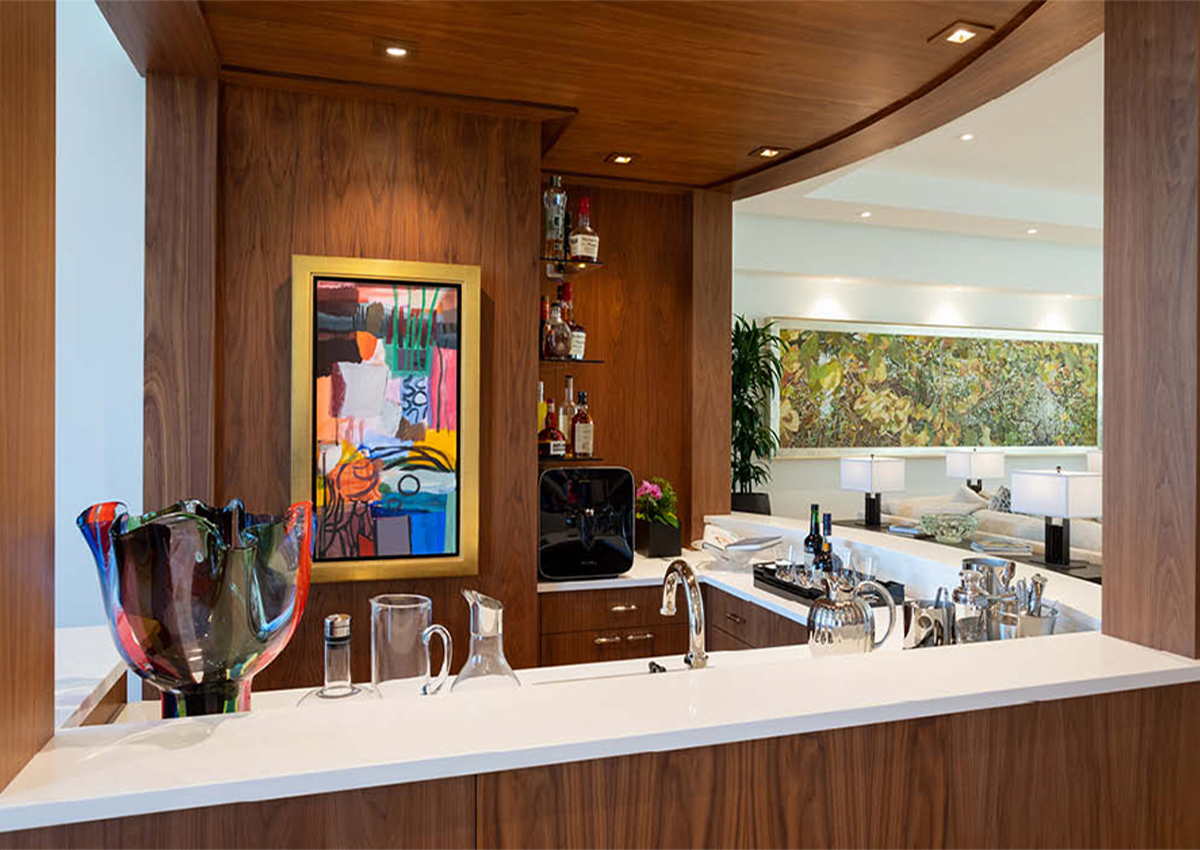
Creating a cohesive and visually compelling eclectic art collection requires a thoughtful approach to integrating various styles, periods, and mediums. While the idea of mixing different art styles may appear daunting, the process becomes truly rewarding by embracing harmony over uniformity.
Start with a Focal Point: One effective strategy is identifying a focal piece that resonates deeply with the intended atmosphere of the space. This artwork serves as the anchor, providing a thematic or stylistic thread that can be woven through subsequent selections. Whether a vibrant contemporary piece or a classic oil painting, this focal item sets a tonal foundation.
Balance Through Contrast: Contrast is a powerful tool in eclectic design, as it draws attention and stimulates visual interest. Consider pairing a minimalist abstract painting with a richly detailed historical artwork. The juxtaposition of simplicity and complexity creates a dynamic tension that can enliven a space. Art historian Alfred Barr, in his studies on modern art, emphasizes that contrast can lead to a deeper appreciation of individual pieces and accentuate their unique qualities.
The Rule of Three: Interior design often employs the rule of three, a principle that asserts groupings of three create balance and appeal. This can also apply to art curation. Mix three differing styles or color themes within a collection to achieve a sense of curated intentionality. For example, a bright pop art piece, a monochrome photograph, and a muted landscape painting can together amplify the narrative within a room.
Palette and Pattern Consideration: An effective way to harmonize diverse art styles is by unifying color palettes or patterns. Select artworks that echo the room’s primary color scheme or feature recurring motifs. This shared visual language helps disparate elements coexist. For instance, a series of artworks that each contain a distinct yet complementary shade of blue can collectively emphasize the room’s coastal inspiration.
Cultural Context and Storytelling: Every piece of art holds a story or cultural significance that can be a discussion starter within an eclectic collection. Incorporating pieces from various cultural backgrounds can lend a rich narrative tapestry to your space. According to a study by the New York Times on the impact of art sequences in personal settings, storytelling through art can enhance engagement and personal emotional connection to the space.
Sculptural Elements and Texture: Introducing sculptures or textured artwork can add a dimensional component, bringing variety to the visual plane. Textured art may include mixed-media pieces, collage, or even textile art, which adds depth and intrigue, preventing the collection from feeling flat or one-dimensional.
Spatial Arrangement: Mindful arrangement plays a crucial role. Harvard’s Graduate School of Design notes that spatial awareness in art placement can significantly affect perception and interaction within a room. Art pieces should not overwhelm but rather enhance each other, with spacing that allows for visual breathing room. Consider blending sizes and weights, where a smaller ceramic piece sits comfortably alongside a larger canvas, maintaining visual balance.
Seasonal Rotation: Consider rotating artwork seasonally to keep the space fresh and inspiring. This concept aligns with contemporary design practices that suggest adaptability and ongoing evolution in one’s environment can positively influence well-being and creativity. Switching art periodically not only revives the aesthetic but allows the display to evolve over time without losing its eclectic charm.
Integration of Varied Artistic Mediums: Incorporating a variety of mediums, such as acrylics, watercolors, metals, and woods, invigorates the collection. For instance, pairing an oil painting with a digital print and a crafted metal sculpture can illuminate different artistic interpretations and techniques, creating a layered and multifaceted narrative.
By thoughtfully integrating these strategies, you can harmoniously mix and match art styles to create a vibrant, eclectic art collection that reflects individuality and sophistication, elevating the environment in a personalized and distinct manner.
Creating Harmony in Diversity with Eclectic Collections
Harnessing the beauty of diverse styles, periods, and mediums within a single home setting requires a meticulous approach, where each element adds to a unified story—a collection distilled from unique influences yet perfectly balanced in its diversity. As an art lover or collector seeking to craft eclectic and unique home collections, understanding the nuanced interplay between choice and arrangement can transform a space into a tapestry of personal expression.
The first step in achieving harmony lies in thoughtful selection. When curating artworks from various styles, contexts, or time periods, aim for pieces that resonate on a thematic level. An overarching theme guides the selection process, whether it’s driven by emotion, artistic movement, or color. This thematic backbone may not be immediately palpable but subtly influences the viewer’s experience, coaxing coherence from apparent chaos.
Color palettes are a significant unifying force, particularly in a collection where each piece inherently differs in style and theme. The secret is to identify a central palette that weaves through each artwork like golden threads stitching a quilt—complementary hues that, while varied in tone and intensity, echo one another. Research from the Journal of Environmental Psychology highlights that viewers are instinctively drawn to color harmony, even when styles clash, because harmonious color palettes foster a sense of calm and satisfaction. Therefore, choosing pieces with repeated shades or tonal undertones artfully draws the collection together.
Consider the strategic use of frames and borders as another element of cohesion. Uniform framing can subtly integrate artworks into a unified visual narrative, suggesting a deliberate rather than haphazard collection even when styles diverge drastically. The choice of frames—whether vintage wood, sleek metal, or minimalist white—can either emphasize the era or medium of the artwork or act as a neutral canvas on which the art’s individuality is displayed.
Delve into the spatial arrangement within your space. How art is displayed affects its perception immensely. The David Bohnett Foundation for Arts and Sciences found that spacing in curated exhibits significantly impacts how viewers engage with collections. Artworks should be given ‘breathing room’—a respectful distance that highlights each piece’s unique features without cluttering the viewer’s field of vision. For instance, pairing a delicate ink drawing on a spacious wall can provide a pause, a contemplative moment in between more densely occupied walls.
Eclectic collections thrive on dialogues between art pieces, and creating these conversational opportunities enriches the storytelling potential of your display. A monumental abstract painting beside a vintage sculpture initiates a dynamic engagement; viewers find themselves guided through a narrative in which each piece adds a new sentence, a new paragraph. The narrative becomes a constant discovery—a journey of visual and emotional exploration.
Integrating various art forms such as textiles, ceramics, or digital art within the same setting amplifies the sensory experience. The tactile quality of textiles juxtaposed with the smooth, reflective surface of digital prints creates a tactile stimulation that engages viewers on multiple levels. Research by the Tate Art Museum reinforces that multisensory engagement enhances the emotional impact and memorability of art experiences, suggesting that combinations of textures and forms can increase a collection’s dynamism.
Finally, contextualizing art within the spatial history or architecture of your home underscores its place within your personal universe. Consider structural elements like nooks, archways, or lighting inherent to your home that can frame or highlight the art. Architectural Digest points to the unique convergence of art and architecture as an innovative way to integrate diverse collections seamlessly. Lighting is especially powerful—proper illumination can bring forward hidden details in a piece, connecting with other artworks through a shared visual emphasis that transforms the mood and character of the space.
In creating unique home collections where diversity finds unity, each selection serves not just as decoration but as a reflection of individualism distilled through a harmonious aesthetic prism. Through a careful balance of thematics, color, arrangement, and environmental consideration, these collections transcend their eclectic roots to tell a story that is not only seen but felt—a tactile narrative inviting endless exploration and enjoyment.
Displaying Eclectic Art for Visual Continuity
When blending eclectic art pieces within a space, visual continuity becomes paramount. Establishing a coherent flow in such dynamic collections might initially seem challenging but can be achieved through strategic design choices.
Begin by identifying a central theme or emotion that resonates across different art pieces. This theme doesn’t need to be overt; it could be inspired by the feelings the art evokes or the story behind each piece. A shared narrative line can subconsciously influence the cohesion of the artworks, encouraging a harmonious flow even amidst diverse styles and forms. According to art curator Kathleen Soriano, creating an underlying narrative thread can enhance viewers’ engagement, inviting deeper connections with the collection.
Spatial arrangement greatly impacts visual continuity in eclectic collections. Choose a focal area where the artworks can converge symphonically. This could be a gallery wall where pieces vary in size and style but align in hue, creating a rhythmic and engaging pattern that guides the viewer’s eye. Utilizing principles of balance and symmetry can also help in organizing differing pieces around core items, acting as visual anchors. The Museum of Modern Art notes that balancing different artistic elements in space encourages viewers to appreciate individual intricacies while maintaining an overall sense of harmony.
Texture plays a vital role in marrying varied artforms like painting, sculpture, and mixed media. Juxtapose smooth, polished pieces with rough, matte items to stimulate tactile interest while tying distinct elements together. This combination can enhance the depth of visual engagement, providing a rich tapestry of surfaces to explore. When arranged with attention to touch as much as to sight, these pieces create an inviting and interactive experience, as supported by research from the Sensory Museum Network, which found that tactile diversity enhances viewer engagement and appreciation.
The choice of background also provides continuity. Painting a common color backdrop that complements the diverse palette of your art can create a seamless flow. Whether it’s a muted grey or a rich cream, the backdrop should act as a unifying canvas for the artworks, gently anchoring them against a consistent profile. As interior designer Kelly Wearstler advises, a well-chosen wall color underscores the art, supporting visual cohesion without overshadowing individual pieces.
Leveraging architectural features such as moldings, alcoves, or built-in shelving can also foster continuity in an eclectic display. By integrating art displays into these structural elements, you create cohesive pockets within a home that feels natural and integrated. This technique uses the home’s architecture to frame the collection, merging art with the existing environment for an effect that is both organic and visually appealing, echoing concepts Stephen Burks highlights in his architectural designs.
Lighting is another essential factor. Dynamic, adjustable lighting can spotlight select pieces while maintaining an overall glow that harmonizes the gallery. Using a combination of focused track lighting and ambient soft lighting can draw attention to specific details without fragmenting the overall aesthetic. The Smithsonian Institution emphasizes the impact of lighting in exhibitions, noting that it can enhance or diminish the perception of continuity within displays.
In summary, achieving visual continuity in eclectic art collections involves more than merely assembling disparate elements. It’s about orchestrating a harmonious dialogue between narratives, textures, colors, and architectural cues. By highlighting these elements in a thoughtfully curated manner, each artwork contributes to a collective story that resonates throughout the space, offering a sophisticated blend of diversity and unity.
Next Steps
The journey to bringing an eclectic art collection to life is as enriching as the array of styles and stories it encompasses. Each piece becomes a part of a larger symphony, resonating within your home as diverse yet connected. As you refine your art curation, consider these insights as your guide. Begin with an overarching theme or emotional resonance that binds each piece in subtle ways. Use color, texture, and spatial arrangement to underscore this theme, crafting a seamless narrative that permits each artwork to shine in its individuality while contributing to a cohesive whole. Architectural elements and lighting serve as the silent orchestrators, enhancing the continuity of your collection through thoughtful integration into the environment.
To elevate your environment from merely picturesque to profoundly personalized, consider reaching out to professional experts who bring a refined touch to complex designs. At Hughes Design Associates, our team is adept in curating tailored spaces that reflect and enhance your unique lifestyle and aesthetic tastes. Our dedication to harmonizing diverse artistic expressions within interior design translates your vision into an exquisite reality. We invite you to explore the possibilities of bespoke design by contacting us for a consultation, allowing us to assist you in creating a distinguished home that truly embodies your personal narrative.