
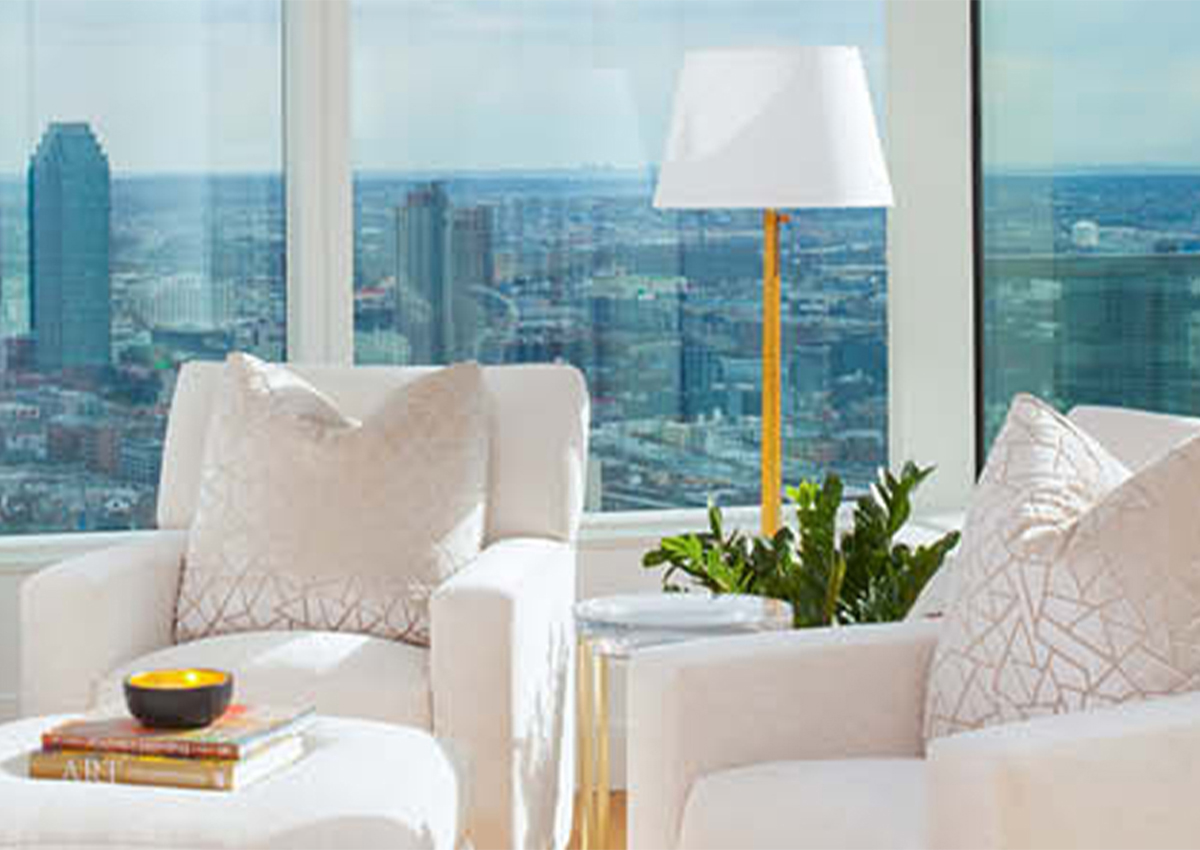
Crafting peaceful zones for mindful practices within the home is a journey into tranquility and balance. As meditation becomes an integral part of many people’s daily routines, the demand for dedicated spaces designed for mindfulness is increasing. These areas serve not merely as settings for meditation but as personal retreats that foster serenity and focus, enhancing one’s overall well-being.
To create a meditation area that truly supports mindfulness, one must consider several elements that contribute to a harmonized environment. The choice of materials plays a significant role. Opt for natural elements like bamboo, rattan, or teak for flooring or furniture. These materials connect the space with nature and offer a tactile grounding effect, beneficial for meditative practices. According to the International Journal of Environmental Research and Public Health, exposure to natural materials can significantly reduce stress and promote relaxation, key characteristics in a meditative setting.
Lighting is another crucial aspect. Natural light is preferred whenever possible, as it synchronizes with our circadian rhythms, promoting a sense of calm and focus. Position your meditation area near large windows to maximize daylight exposure. When natural light is scarce, use soft, ambient lighting. Consider using Himalayan salt lamps or candlelight, both of which create warm, relaxing glows conducive to introspection and meditation.
Incorporating elements of sound can also uplift the atmosphere. Background sounds play a pivotal role in setting the ambiance for mindfulness. Gentle sounds, such as wind chimes, water fountains, or nature-themed audio, can ease the transition into a state of meditation by masking disruptive noises and creating a peaceful audio backdrop. A study published in the journal Physiology & Behavior notes that ambient sounds from nature can lower blood pressure and cortisol levels, making them ideal for meditation spaces.
Plants can further enhance the calming effect of a meditation area. Botanical elements not only improve air quality but also impart a sense of life and growth. Choose plants known for their air-purifying properties, such as peace lilies or snake plants. The latter can be particularly effective due to their robust nature and ability to thrive in varying light conditions. This biophilic design not only respects natural aesthetics but supports mental rejuvenation, as shown by research from the University of Technology Sydney, which found that indoor plants can reduce psychological stress.
The color palette of your meditation area is equally important. Earthy tones and muted shades such as soft greens, blues, or beiges can create an environment of calmness and introspection. These colors should complement the natural elements present and harmonize with the decor to foster a seamless atmospheric flow. Studies from the Journal of Environmental Psychology highlight that these hues can positively influence mood and increase feelings of comfort, making them ideal for mindful spaces.
Practicality also suggests incorporating multipurpose elements that maintain a clutter-free environment. Storage solutions that blend with the aesthetics, like woven baskets or minimalist shelving, can neatly house meditation accessories such as mats, cushions, or incense. Clutter can distract focus and diminish the effectiveness of meditation, making efficient storage an essential consideration.
Mindfulness is also about personal expression. Infuse the area with items that hold personal significance, whether it be artwork, gemstones, or meaningful sculptures. These individualized touches can deepen one’s connection to the space, making meditation sessions more profound and rewarding.
Ultimately, crafting peaceful zones for meditation in home layouts is about understanding and implementing the subtle intricacies that facilitate relaxation and focus. By incorporating elements that speak to both the aesthetics and functionality of the space, you cultivate an environment where mindfulness practices can flourish, enriching both the body and soul.
Essential Elements for Personalized Meditation Spaces
Personalized meditation spaces hold the potential to transform ordinary rooms into sanctuaries of calm and influence personalized mindfulness practices. Creating a space that resonates with one’s personal identity and supports meditative practices involves understanding a few key elements.
Consider the spatial configuration. Flexibility is foundational in crafting a personalized meditation zone. Creating adaptable spaces ensures functionality without compromising aesthetics. Use movable partitions, folding screens or simply a well-placed bookshelf to carve out a nook dedicated to stillness without permanent alterations. Such flexibility caters to personal preferences while allowing the area to adapt to the evolving needs of meditation practices.
Fragrance can be a deeply personal aspect of a meditation space. Essential oils like lavender, sandalwood, or citrus complement relaxation, grounding, or energizing sessions respectively. Tailor these scents to align with one’s mindfulness goals. Aromatherapy not only offers therapeutic relief but personalizes the sensory experience. According to the National Center for Biotechnology Information, certain scents can significantly influence stress reduction, boosting the suitability of aromatherapy within meditation spaces.
Textures provide tactile comfort and aesthetic appeal, contributing richly to the meditative experience. Integrate diverse textures through the choice of rugs, cushions, or wall hangings to enrich sensory feedback during meditation. Soft, plush materials counter hard flooring, while smooth stones or silk cushions invite tactile engagement. Research from the Journal of Consumer Psychology underscores how textures can evoke emotional responses, highlighting the importance of tactile variety in promoting sensory tranquility and relaxation.
Personal mementos anchor the meditation practice in personal history and aspirations. Photographs, art or heirlooms can infuse a space with emotional warmth, making mindfulness practices more intimate and authentic. These objects need not be abundant; strategically placed pieces that hold significance can amplify feelings of security and belonging, encouraging deeper reflective practice.
Acoustics tailored to personal auditory preferences enhance meditative immersion. Besides broad ambient sounds, consider introducing personalized playlists or sound baths tailored to individual tastes. Adjusting the auditory environment allows customization to moods or focused practice needs. Scientific insights from sound therapy illustrate how customized sound environments can lower anxiety and enhance focus, making them integral to elevated meditation experiences.
Personalized lighting options, such as adjustable lamps with dimming functions or color-changing LEDs, provide autonomy over the room’s ambiance. This flexibility allows for variations in intensity and hue, reflecting different emotions or time-of-day preferences. Research published by the Journal of Environmental Psychology supports that personal control over environmental lighting is linked to enhanced mood and comfort, validating the use of personalized lighting in meditation spaces.
Such personalization extends to ritual elements, which can include the use of particular meditation cushions or specific postures favored during practice. Customizing these elements ensures cohesive synergy with personal spirituality, leading to more engaging and effective meditation sessions.
Understanding the value of personalized spaces stems from the sentiment that meditation is an inherently personal journey. By infusing individual preferences and needs into these spaces, one creates environments that not only facilitate mindfulness but also serve as expressions of personal identity and aspirations. As spaces mirror personal intentions and aesthetics, they become powerful conduits for relaxation, reflection, and rejuvenation.
Designing Quiet Zones That Act as Retreats
Amidst the gentle hustle of daily life, crafting serene retreats within one’s home offers solace and rejuvenation, embodying the essence of tranquility and escape. Designing quiet zones that serve as retreats requires a thoughtful blend of style, sensory enjoyment, and personal sanctuary, catering to both the mind’s and soul’s respite.
Begin by identifying a location within your home that can be dedicated to quiet reflection or relaxation. These retreats may be tucked into a corner of a living room, a spare bedroom, or even a spot with a desirable view. Ideally, the space should benefit from natural light, as it promotes a soothing atmosphere and keeps you connected to the rhythm of the day. Natural light enhances your body’s natural cycles of rest, alertness, and relaxation, according to The Journal of Clinical Sleep Medicine. Moreover, incorporating full-spectrum light bulbs on overcast days can mimic sunlight’s effects.
Furniture selection emphasizes comfort and aesthetics. Opt for pieces that invite relaxation, such as a plush armchair, chaise lounge, or a quilted floor cushion. These can be paired with a small side table to hold personal items that enhance the retreat experience, like a journal, a book of poetry, or a fragrant herbal tea. Timeless, minimalist styles comprising muted tones can dominate the furniture palette to avoid overstimulation, adhering to the principles studied extensively in environmental psychology.
Soundproofing for these zones can significantly enhance their utility and tranquility. Consider heavy drapery or textured wall panels capable of absorbing sound, both serving practical and decorative purposes. The strategic positioning of bookshelves not only offers additional noise dampening but also integrates seamlessly with the room’s form. Highly absorbent materials like thick carpets or rugs can further subdue ambient noises, reducing interruptions during moments of reflection.
Designing an auditory backdrop tailored to individual preferences merits attention. Such personal sound environments can introduce frequencies or rhythms that encourage restfulness. Implement soundscapes or instrumental music that align with your relaxation goals. Studies in music therapy, such as those published in the Nordic Journal of Music Therapy, have been shown to aid relaxation and stress reduction, underscoring their importance in quiet zones.
Scent also plays a pivotal role in delineating a retreat-like space. Use an essential oil diffuser to infuse the air with fragrances like eucalyptus, lavender, or chamomile, each associated with calming properties. Birchwood or cedar scents can evoke the peaceful ambiance of nature, assisting in mental withdrawals from everyday stressors. The American Journal of Obstetrics and Gynecology highlights how the chosen scent can measurably decrease heart rates and blood pressure, reinforcing their use in creating a peaceful atmosphere.
The visual domain of these retreats benefits from carefully selected art or decor that invokes serenity and introspection. Consider landscape photography or abstract art that lends breadth to the space, stimulating visual interest without overwhelming it. Pieces should capture and mimic the tranquility intended in the retreat, encouraging a thought-provoking yet calming aesthetic. Textural variation, whether from woven wall hangings or artisanal pottery, adds depth and warmth, fostering a tactile engagement that soothes the senses.
Elements of nature, such as small indoor plants or aquariums, can also serve as focal points, drawing the mind into contemplation. The Journal of Physiological Anthropology outlines that interaction with natural elements significantly lowers stress and promotes psychological health. These coveted benefits render them invaluable in designing home retreats.
Most importantly, infuse the quiet zone with items of personal meaning and significance. Whether these are artifacts from travel, cherished family photographs, or sentimental heirlooms, these objects root the retreat in personal history and connection. Personalization transforms the space into a sanctuary of self-expression and contemplation, augmenting the sense of refuge.
In sum, designing quiet zones takes meticulous attention to detail and personalization. By understanding these fundamentals, homeowners can transform ordinary areas into sanctuaries of peace poised to nurture the soul, one quiet moment at a time.
Next Steps
Navigating the art of creating tranquil retreats unveils a pathway to nurturing the spirit within one’s own sanctuary. Elevating spaces to embody both mindfulness and personal reflection crafts an environment where tranquility flourishes alongside personal identity. By harnessing natural materials, light, sound, and scent, while intertwining personal artifacts, these sanctuaries become the canvas on which wellness and introspection are vividly painted.
As you envision or begin to design your own meditative haven, consider reaching out to a partner who truly understands the nuanced language of luxury and personal well-being. At Hughes Design Associates, we remain dedicated to crafting extraordinary environments that resonate with one’s inner world and aspirations. Discover how our bespoke designs can transform your interiors into a harmonious retreat that not only complements your lifestyle but also enriches your everyday life.