
Achieving a harmonious transition in decor between seasons involves selecting key pieces that offer versatility and charm all year round. These transitional elements should not only adapt to varying weather but also work across different stylistic preferences.
One foundational aspect in seasonal décor transition is selecting versatile textiles. Fabrics like cotton and linen are excellent in warmer months due to their breathability, while velvet and wool can offer warmth and richness during cooler seasons. Switching out throw pillows and blankets according to these materials provides an effective and simple method of refreshing a space’s ambiance. For instance, a light, pastel cushion cover can be exchanged for a deep, jewel-toned velvet one, instantly warming up the room.
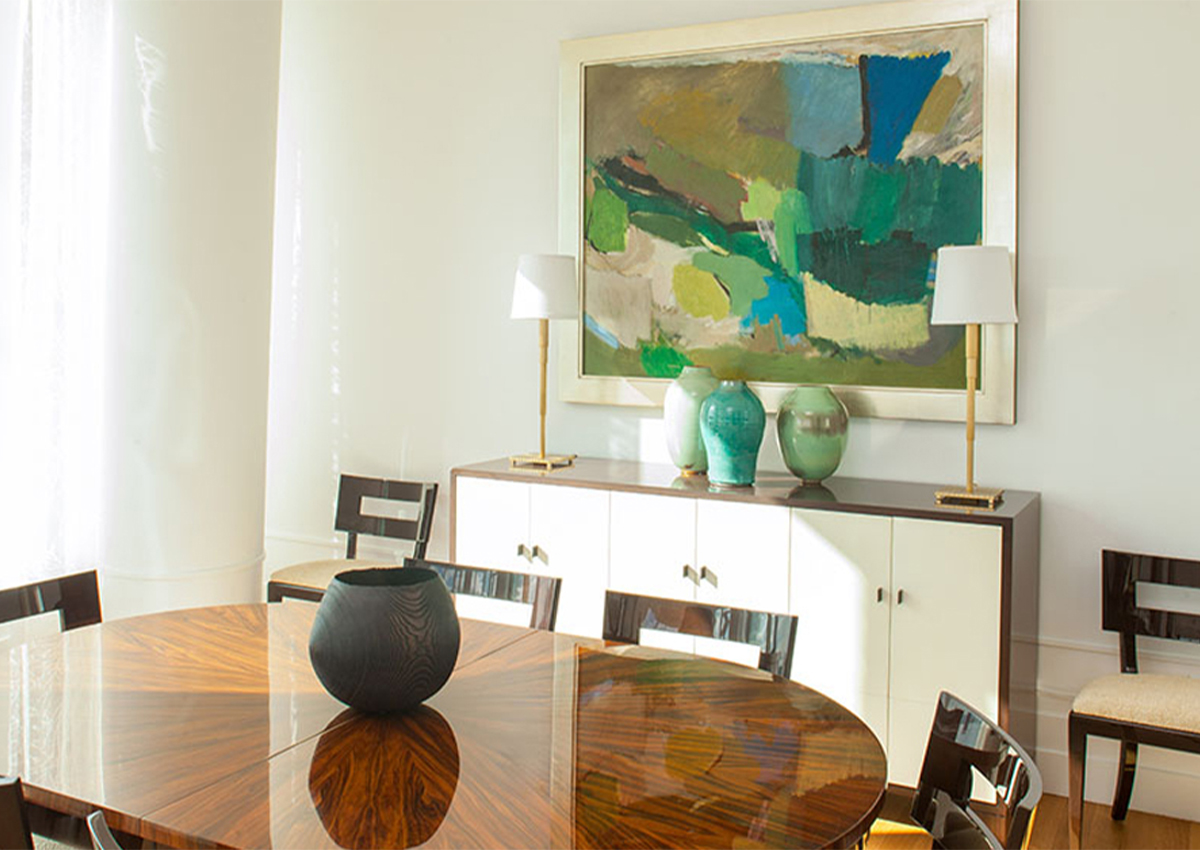
Artwork is another powerful transitional piece. Incorporating artwork with adaptable themes or colors allows a room to flow seamlessly from one season to another. Consider pieces with abstract designs or nature motifs that can echo winter’s stark elegance or spring’s vibrant renewal. Art that utilizes a range of colors means it can complement varying seasonal palettes without requiring constant change.
The use of plants is a delightful method for welcoming any season. In spring and summer, opt for bright flowering plants like orchids or peace lilies. As seasons turn colder, consider evergreen plants such as ferns or succulents, which introduce lushness without relying on seasonal blooms. Additionally, decorative planters can be switched to reflect seasonal tones – ceramic or woven baskets can feel fresh in spring, whereas metallic or stone containers exude warmth in winter.
Lighting plays a crucial role in setting the mood. Adjustable light fixtures like dimmers or multi-setting lamps provide flexibility that suits both bright summer evenings and cozy winter nights. The strategic placement of floor and table lamps enhances the effects of natural light during transitional months. Using LED candles can add a warm glow that feels appropriate regardless of the season, offering a flicker reminiscent of summer’s campfires or winter’s hearths.
Rugs act as strong transitional elements. Rugs with a neutral base or mixed textures can change the entire feel of a room. A sisal or jute rug might lend a breezy vibe in warmer weather, whereas a wool or shag rug can impart warmth and comfort during colder months. Layering rugs, such as placing a heavier, patterned rug over a lighter one, can create depth and adapt to shifting seasonal aesthetics.
Furniture that allows for flexible configuration is another key piece in seasonal décor transition. Chairs or tables that are easy to move enable different room layouts. In summer, arranging furniture to encourage airflow can maintain a fresh feel, whereas closing the space with denser grouping in winter fosters intimacy and warmth.
Lastly, consider using interchangeable wall decor like seasonal wreaths or mirrored panels. Wreaths crafted from dried flowers or pine cones can be swapped for those with autumn leaves or winter berries. Mirrored components help reflect light, creating a brighter atmosphere in any season.
By carefully curating these elements—textiles, artwork, plant life, lighting solutions, rugs, and adaptable furniture—you can effortlessly glide from one season to the next. This approach ensures your home remains not only stylish but comfortable and inviting year-round.
Harmonizing Core Elements with Seasonal Decor
Achieving a seamless flow in home decor as the seasons change involves harmonizing core elements that provide a stable foundation for seasonal variations. This strategic approach not only streamlines the process of updating interiors but also ensures that changes feel coherent and intentional.
An integral starting point is the color palette. By selecting a neutral base palette, you provide a consistent canvas upon which seasonal variations can be laid. Shades such as whites, creams, grays, or soft taupes create a calming backdrop that integrates well with both bold and understated seasonal hues. For instance, adding rich burgundies or forest greens in winter complements these neutrals beautifully, while in spring, pastels bring a refreshing contrast.
Textures also play an essential role in creating harmony. Core elements like sofas or armchairs in beautiful neutral leathers or sturdy fabrics provide a sense of permanence. These materials not only withstand seasonal wear and tear but pair well with seasonal accents. During colder months, layering with knitted throws or velvet cushions adds depth and warmth; come warmer months, switching to lighter cotton or linen accessories can refresh the look without altering the core setup.
Incorporating timeless furniture pieces aids in achieving a seamless transition. Opt for designs that stand the test of time—a classic wooden dining table or an elegant, minimalist coffee table easily adapts to shifting seasonal themes. These pieces serve as a constant, allowing you to rotate smaller, seasonal details like tableware or centerpieces. For spring, consider vibrant floral arrangements, whereas autumn might inspire a centerpiece of candles and dried foliage.
The inclusion of mirrors as a constant core element enhances the adaptability of a space. Not only do they amplify natural light, crucial during darker winter months, but they also reflect the vibrant external environment of spring and summer. Mirrors framed with simple metallics or woods maintain neutrality, while wreaths or garlands can be draped seasonally to alter their appearance.
Lighting fixtures provide another structural element that supports seasonal evolution. Choose fixtures that have adjustable brightness settings to shift the ambiance according to the season. Base design in finishes such as matte black, brushed nickel, or antique brass can serve as year-round staples, while changing lamp shades or bulb styles can subtly alter the mood. Consider soft, diffused lighting in spring and summer to mimic natural light and warmer tones in winter for coziness.
Finally, flooring forms a crucial part of your home’s core decor. Hardwood, for example, provides a versatile base that complements a range of rugs. During warmer seasons, a simple cotton or sisal rug might suffice, while winter may call for plush, layered textiles.
Ultimately, the key to elegant home updates lies in striking a balance between core and seasonal elements. By prioritizing neutral, versatile foundational aspects, you facilitate a seamless transition between seasons, allowing for ample creativity and refreshment without major disruptions. Through a thoughtful selection of colors, textures, furniture, mirrors, lighting, and flooring, your home easily adapts to each season’s shift, maintaining an elegant continuity throughout the year.
Adapting Textures and Colors for Continual Evolution
Selecting and adapting textures and colors for seasonal shifts is a fundamental aspect of crafting interiors that feel effortlessly chic and eternally current. When infusing spaces with seasonal nuances, these choices serve as the silent undercurrent that supports visual fluidity and tactile comfort. At the heart of this transformation lies the delicate balance between consistency in foundational elements and temporary, impactful modifications that resonate with seasonal changes.
Begin by recognizing the textures that convey a sense of adaptability. Textiles such as wool, mohair, and chenille invite warmth during the colder months, offering a tactile embrace in blankets or scatter cushions. As temperatures rise, consider transitioning to lighter fabrics like cotton or linen. These materials breathe well, providing comfort and a light, airy aesthetic perfect for spring and summer. Incorporating these textures through layers rather than complete upholstery changes promotes versatility while minimizing effort and expense.
Color plays a similarly dynamic role, providing an immediate visual impact to herald the arrival of a new season. Neutral colors, with their refined simplicity, act as a steadfast foundation. Whites, beiges, and various soft grays create a harmonious baseline that accommodates seasonal inflections. During autumn and winter, integrate bold accent colors—rich terracottas, maroons, and deep forest greens evoke the natural depth and warmth of these seasons. As nature awakens in spring, a palette shift to pastels and light neutrals can refresh the ambiance, with shades of mint, blush, and soft yellow adding a sense of rejuvenation and vibrancy. Summer affords the opportunity to experiment with bright, sun-soaked hues like coral or azure, reflecting the lively spirit and energy of the season.
An enduring way to facilitate these shifts without wholesale changes is through the use of removable elements. Drapes, for instance, provide an excellent avenue for seasonal adaptation. Heavy, opulent drapes in velvet or damask provide insulation and rich elegance in winter. Come spring, swapping to gauzy curtains in light, breathable materials invites in natural light, lending rooms an expansive and welcoming feel. This practice ensures that each room’s tone matches the season’s needs while keeping the fundamental structures intact.
Moreover, wall treatments provide another opportunity for seasonal variation without permanent alteration. Consider using temporary wallpaper or wall decals to introduce patterns that resonate with the time of year. Botanical prints in pastel tones might enhance spring’s breezy, refreshing disposition, while designs featuring more intricate, darker patterns can add winter’s desired texture and richness. Accent walls, too, offer flexibility—consider using paint with varying gloss levels to subtly shift the room’s perception of warmth and space.
Interestingly, even the placement of furniture can enhance these sensory cues—consider rearranging furniture to suit the season’s social behaviors. For instance, during winter months, situate sofas and lounges to create intimate, cozy settings, emphasizing warmth and togetherness. In contrast, opening spaces up in summer encourages air circulation and accommodates larger gatherings, making the most of breezy open-plan areas.
In adorning surfaces, explore the juxtaposition of materials to echo the seasonal evolution. A marble table that echoes the cool elegance of winter can be teamed with wooden or woven tabletop decor for spring and summer, integrating the organic textures that complement these seasons. Consider quirky combinations that pair natural and man-made materials, allowing each piece’s unique characteristics to draw out the nuanced beauty of the other.
Seasonal creativity thrives where continuity meets change. By identifying lasting elements and strategically layering seasonally adaptable textures and colors, any space can become a nuanced tapestry reflecting the gentle rhythms of nature’s cycles. This approach ensures each room remains an expression of elegance, comfort, and vitality throughout the year.
Next Steps
As you explore the art of harmonizing your home with nature’s rhythms, consider these thoughtful steps as your compass, guiding you toward a home that resonates with the changing seasons. Begin with the nuances of texture and color, letting them tell a story of timeless elegance infused with seasonal whispers. Choose textiles that embrace warmth with luxurious depth or invite breezy lightness with fresh vitality. Let colors transform your space, expressing the subtleties of each season—from the muted richness of winter’s tones to the pastel clarity of spring.
As you embark on this design journey, reflect upon how these elements intertwine with your personal lifestyle and taste. Whether you’re adding a soft throw across a classic armchair or rearranging furniture to capture the season’s light and energy, each choice is an opportunity to elevate your environment thoughtfully. Engage with professionals who understand the delicate dance of seasonal change, and contemplate a consultation with Hughes Design Associates. Together, explore how your vision can blossom into bespoke interiors that truly reflect the elegance and refinement you desire, season after season.