
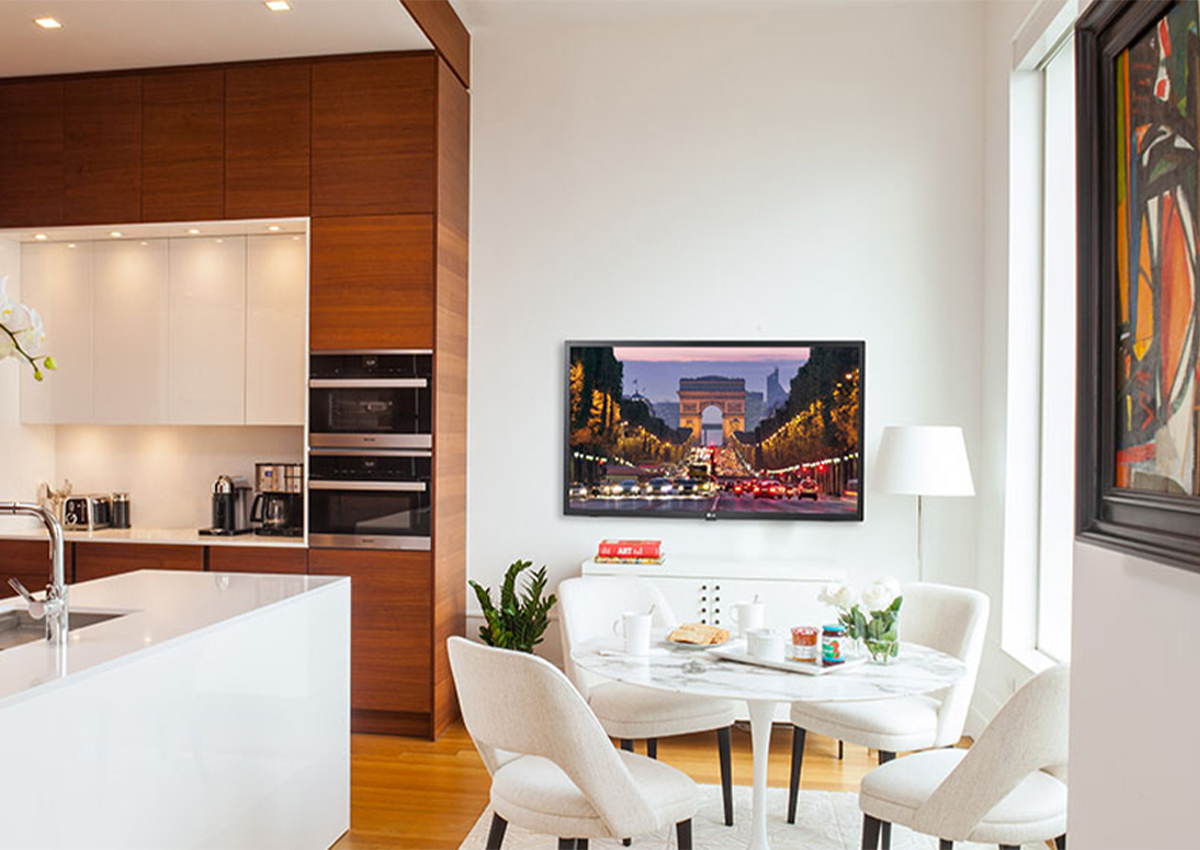
In the realm of open floor plan homes, creating inviting ambiances can be quite the challenge, given the expansive and often impersonal nature of such spaces. However, one of the most immediate and effective ways to transform these vast areas into cozy retreats is through the strategic use of textiles. Textiles, with their myriad textures, colors, and patterns, have the power to redefine an open space, adding warmth and personality where hard surfaces and open layouts dominate.
Beginning with rugs, these are the heroes of textiles in any open floor plan. They offer much-needed delineation between different areas, creating a sense of intimacy and structure without the need for walls. A plush, high-pile rug under a seating area can immediately signal a shift in environment, inviting inhabitants to settle and relax. Rugs with natural fibers like wool or jute bring an element of nature indoors, enhancing the coziness factor through their tactile sensations that feet effortlessly sink into.
Beyond the floor, consider the use of drapes. Floor-to-ceiling curtains not only add vertical texture but also contribute to sound dampening, an essential feature in large, echo-prone open areas. Heavy drapes made from fabrics like velvet or thick cotton can evoke a sense of protection and enclosure, subtly partitioning spaces without the permanence of construction. The choice of color for these textiles can dramatically impact the ambiance; warm shades such as terracotta or deep plum can add warmth and character, whereas neutral tones can maintain a serene backdrop that highlights other design elements.
Throw blankets and pillows are versatile players in crafting coziness. Strategically strewn over sofas and chairs, they can break the monotony of uniform seating arrangements. Opt for a mix of materials—cable-knit throws with cashmere pillows, for instance—to build layers of comfort and visual interest. Textures like chunky knits, faux fur, and soft flannels invite touch, turning a casual visit into an opportunity for relaxation.
Wall textiles, too, can impart warmth instantaneously. Consider mounting a tapestry or a textile art piece as a focal point in your open space. These not only add color and pattern but also break the visual expanse of long walls, contributing to a more human scale that feels approachable. Textiles on walls can be particularly effective in dampening noise and improving acoustics, making conversations in these large spaces more conducive and pleasant.
Texture layering is a key strategy in utilizing textiles effectively. In an open floor plan home, this means mixing and matching materials not just in quantity but also in tactile contrast. Pairing smooth leather with wool throws or silk cushions can create a dynamic sensory experience. This interplay of textures compels closer interaction with the environment, turning mere observation into an experiential engagement.
While aesthetics and texture are fundamental, functionality should not be overlooked. Textiles can also play practical roles, such as thermal regulation. Heavy curtains can help reduce heat loss in colder months, while lighter, breathable fabrics might be more suitable for maintaining coolness during summer, providing both comfort and sustainability benefits.
Another tip is to employ textiles seasonally. Swapping out certain textile elements based on the time of year can rejuvenate a space, reflecting the natural rhythms outside. During winter, opt for deeper colors and heavier fabrics, while in the warmer months, lighter hues and breathable materials can make the space feel fresh and airy. This adaptability ensures the area remains cozy yet relevant to the season.
Open floor plan homes, with their sprawling layouts, provide a blank canvas for creativity, particularly in the use of textiles. Through careful selection and thoughtful placement, textiles can transform these broad spaces into cozy nooks, crafting an inviting ambiance that encourages comfort and connection. By focusing on variety in texture and function, textiles allow homeowners to mold their environments into personal sanctuaries, inviting warmth and personality throughout their homes.
Defining Nooks with Subtle Architectural Cues
To carve out cozy nooks within an open floor plan, subtle architectural cues can play an instrumental role alongside textiles. Introducing elements that guide the eye and define spaces without disrupting the overarching openness can create inviting zones for relaxation and intimacy. One effective approach involves using vertical elements like shelves or partial dividers. Bookshelves, especially open ones with strategic placement, can serve as both functional storage and a visual boundary. They impart a sense of enclosure while still allowing a flow of light and space, perfect for crafting a reading nook or a serene corner for contemplation.
Similarly, low furniture arrangements can subtly outline different zones within the larger room. A strategically placed sofa or sectional can act as a soft barrier, demarcating spaces for lounging without creating abrupt separations. Pairing these with side tables and lighting elements like floor lamps ensures each nook is well-defined yet integrated into the overall design.
Ceiling treatments can further enhance the sense of a distinct area. Using wood beams or varying ceiling heights introduces subtle architectural distinctions that signal a more intimate space within the larger context. For example, consider installing crown molding or a coffered ceiling above dining areas, creating an elegant threshold that visually separates it from surrounding activities. This technique draws from the same philosophy that guides textile placement, focusing on layering and contrast to generate a multi-dimensional space experience.
Additionally, employing different flooring materials or patterns can quietly delineate specific zones within an open plan. Transitioning from a plush rug to a smooth wood floor emphasizes the shift in functional areas—even within a shared space—encouraging a variety of interactions and uses. This method not only adds textural contrast but also reflects practical considerations, such as directing foot traffic or accentuating specific functions like dining or lounging.
Incorporating architectural details like archways or bold statement pieces such as large plants can also guide the flow within a space, enhancing the perception of distinct areas. Tall, green foliage can create a natural, breathable partition that serves both aesthetic and functional purposes—providing privacy while maintaining an airy, open feel. In doing so, plants invite organic warmth and tranquility into corners that might otherwise go unnoticed.
Art installations or curated gallery walls serve as eye-catching focal points that can anchor a nook, offering visual interest and a sense of completeness to the isolated area. Choosing art that resonates with the desired mood—perhaps serene landscapes or abstract pieces—can define the emotional tone of the space, drawing occupants into a curated sanctuary.
Designing cozy nooks through these refined architectural cues allows the homeowner to craft personalized spaces within expansive layouts. By using layered design elements, it becomes possible to foster distinct interactions, whether for intimate gatherings or quiet retreats, seamlessly blending functionality with an embrace of elegant living.
Developing Warm
Lighting is paramount in cultivating warmth within open floor interiors. It transforms spacious areas into welcoming sanctuaries by both highlighting design nuances and fostering a comfort-oriented ambiance. Illuminating these interiors with purpose can lead to significant aesthetic and experiential rewards.
Ambient lighting serves as the foundational layer. This generally involves soft, even light that encompasses the entire space without overpowering it. Consider recessed ceiling lights or strategically placed large LED fixtures that mimic natural light, offering a soothing glow. Such lighting should be adjustable, allowing occupants to alter intensity depending on the time of day or mood required, fostering a sense of both coziness and adaptability.
Next, task lighting is essential for focusing on specific areas where activities like cooking, reading, or working occur. Pendant lights over kitchen islands or reading lamps in a lounge are examples that provide concentrated light precisely where needed. Not only do these sources of light fulfill functional needs, but their design can also complement the room’s aesthetic, often doubling as decorative pieces in their own right.
Accent lighting can highlight artwork, architectural elements, or even textural features within a room. Picture lights or track lighting aimed at a feature wall or piece brings attention to key elements that add character. This type of illumination enhances the layered dimensions of an open space, enabling shadows to create depth and intrigue, setting the stage for a more intimate atmosphere within the expanse.
Layering various lighting types ensures that no corner remains hidden or dull. By using a blend of ambient, task, and accent lighting throughout an open floor layout, homeowners can retain the architectural openness while crafting intimate settings for diverse functions within the space. Moreover, integrating dimmers provides flexibility, allowing each lighting layer to transform the room’s ambiance, catering to both lively gatherings and relaxed evenings.
Incorporating natural light is crucial in crafting warmth. Large windows and skylights not only flood areas with sunlight, enhancing the natural warmth of materials like wood but also connect the interior with the outdoor environment. The interplay between sunlight and shadow enhances the textural richness of a space, marrying the interior’s crafted elements with the fluidity of the exterior.
Furthermore, color temperature plays a significant role. Warm white bulbs (around 2700K to 3000K) are preferable for fostering an inviting atmosphere. These shades mimic candlelight, providing a comforting contrast against the modernity of expansive spaces. Selecting fixtures with adjustable color temperatures allows for tailored atmospheres, whether a cooler daytime setting or a warmer evening environment is desired.
Strategic positioning of lights is critical. Vertical elements such as floor lamps can extend light upwards, reducing shadows and making ceilings appear higher, enhancing the spacious relaxation zones. Similarly, down-casting lights can accentuate cozy corners when paired with comfortable seating or plush flooring.
In open floor interiors, where the design emphasizes seamless flow, lighting should reflect this unity while defining distinct functional zones. Whether through the organic integration of features like light coves or installing decorative fixtures that resonate with the room’s overall aesthetic, lighting must be carefully curated to complement both the structural elements and the personal style of the occupants.
Through thoughtful lighting choices, open floor plans can become not just spaces of grandeur and flexibility, but havens of warmth and intimacy—spaces where natural light during the day and well-positioned artificial lighting by night invite comfort, utility, and an aura of elegant living.
Next Steps
Discovering the potential of textiles in an open floor plan offers a gateway to transforming expansive spaces into personalized retreats. Deliberate selection and artful placement of rugs, drapes, and other fabric elements usher in a sense of intimacy and warmth, inviting homeowners to experience a harmonious blend of style and living. Whether through the tactile allure of soft throws or the strategic incorporation of architectural nuances like bookshelves or varied ceiling heights, each design decision enhances functionality while curating a space that resonates with your distinct lifestyle and tastes.
Should you wish to explore how geometry and grace can unite within your space, consider reaching out to Hughes Design Associates. Allow our expertise to guide you through the bespoke design process that aligns with your vision, fostering environments that transcend mere aesthetics to embrace the essence of elegant living.