
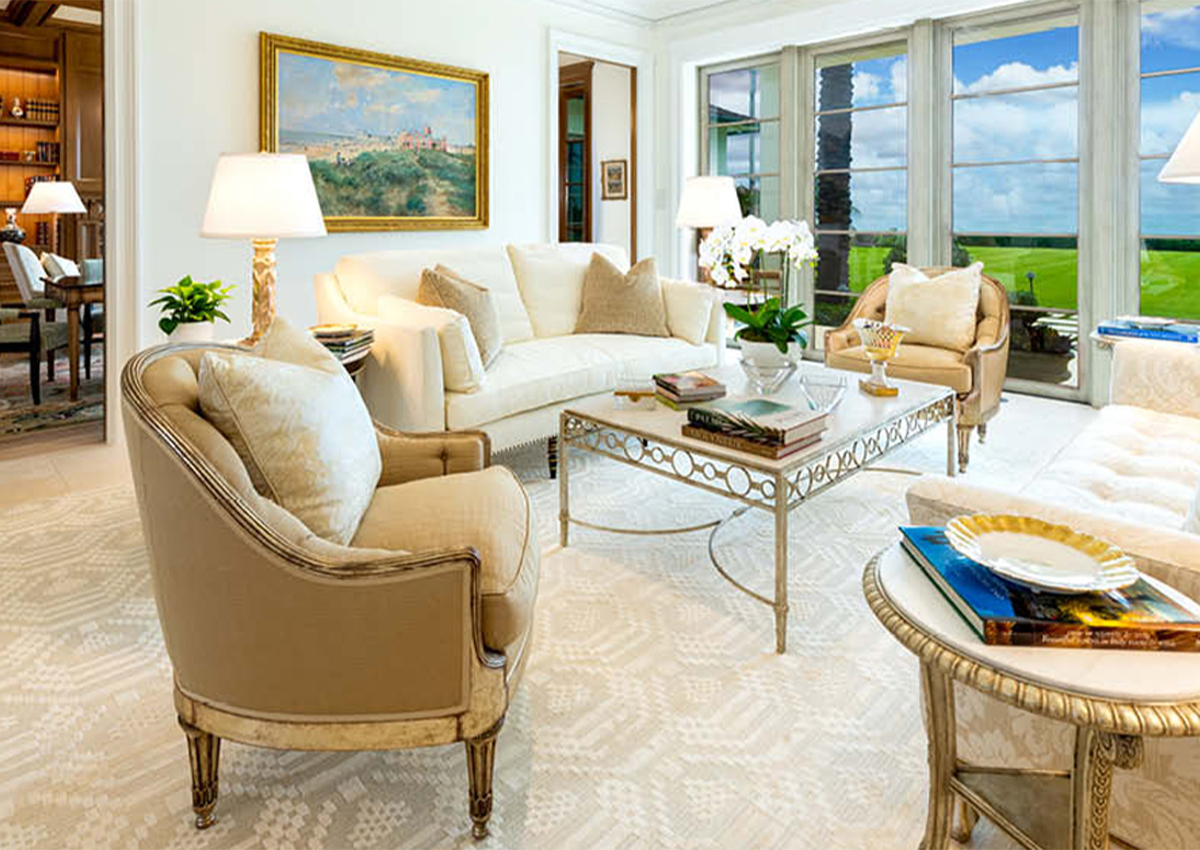
In many homes, expansive rooms can sometimes feel overwhelming or impersonal. However, creating intimate spaces within these areas enhances comfort, increases functionality, and adds a layer of sophistication to your living environment. One effective way to achieve this is by designing specialty areas like cozy corners. Cozy corners not only break the room but also provide a retreat-like ambience in a vast space.
Strategic Placement and Purpose
Positioning is key when designing a cozy corner. Consider placing the nook near a window to utilize natural light, perfect for reading or daydreaming. Alternatively, a corner that feels redundant can be transformed into a utility-driven space, perhaps for hobbies or relaxation. The purpose behind the corner will guide the decor and layout choices.
For instance, if the goal is to create a reading nook, ensure there is ample light and accessible shelving. Conversely, for a mindfulness corner, elements like soft lighting, aromatic candles, and greenery can foster peace and reflection.
Choosing the Right Furniture
Furniture selection is crucial when establishing a cozy corner. Opt for pieces that prioritize comfort and fit seamlessly into the available space. A plush armchair or a small loveseat can instantly create an inviting atmosphere. The addition of textured blankets and cushions amplifies comfort, encouraging relaxation.
For maximum utilization, incorporate multi-functional furniture. Ottomans that double as storage units or side tables with integrated shelving help maintain a clutter-free zone. This approach not only saves space but also ensures that the area remains organized and accessible.
Creating Visual Separation
In large rooms, establishing visual boundaries is essential for creating intimacy in a cozy corner. Rugs can effectively delineate the space, offering a clear visual distinction without erecting physical barriers. Choose a rug that complements the surrounding décor while offering a cozy underfoot feel.
Additionally, consider vertical elements like bookshelves or tall plants that subtly separate the corner from the rest of the room. Such elements contribute to creating a sense of enclosure, enhancing the feeling of retreat.
Personalized Decor and Elements
Infusing personal elements into the corner enriches the atmosphere and ties the space to the individual or family. Favorite artwork, family photos, or cherished objects can be tastefully displayed to add character and warmth. Incorporating personal touches ensures that the corner echoes the taste and personality of the household.
Color plays an instrumental role in setting the tone for cozy corners. Soft, warm hues evoke comfort and invite relaxation, whereas cooler tones can offer a serene, tranquil vibe. Be mindful to coordinate with the overall color palette of the room to maintain cohesiveness.
Lighting Considerations
Lighting is an essential component in designing any space, particularly intimate corners within large rooms. Layered lighting offers flexibility, enabling adjustments based on activity or mood. Table lamps with adjustable dimmers or wall sconces can provide focused illumination for reading, while fairy lights or candles can create a softer, ambient glow for relaxation.
Harnessing natural light further accents a space, providing warmth and vitality during the day. Strategic positioning of mirrors can reflect light into the corner, enhancing the sense of spaciousness and openness.
Integrating Nature
Bringing elements of nature into your cozy corner can reinforce its inviting feel. Consider incorporating potted plants, fresh flowers, or small indoor trees. Not only do these improve air quality, but they also introduce relaxing, organic elements into the space. Choose plant varieties that thrive indoors with minimal care, such as snake plants or succulents, for easy maintenance.
Natural materials like wood or stone in furniture or decor pieces also contribute to creating a warm, organic atmosphere. Incorporating nature in various facets of the cozy corner ensures a consistent flow between it and the broader space.
Ultimately, designing intimate spaces within expansive rooms is about balance and intentionality. Each element—from furniture selection and lighting to personal touches and natural elements—plays a role in crafting a cozy corner that invites relaxation and unwinds the mind, successfully breaking the room into comfortable, livable sections.
Open Areas
Creating intimate spaces within open areas can transform a vast room into a series of inviting, functional zones that cater to various activities. Open areas, when designed thoughtfully, offer flexibility and versatility, allowing for personal expression and optimized use of space. The key is to balance openness with coziness, ensuring each zone serves a distinct purpose without losing the airy feel that large spaces provide.
Spatial Zoning with Thoughtful Layouts
A well-conceived layout is vital for establishing intimate spaces within open areas. Begin by assessing the natural flow of the room and identify the paths most frequently used. By understanding these natural pathways, you can arrange furniture and decor elements to guide movement and subtly define different zones. For instance, align seating arrangements perpendicular to major walkways to create a sense of enclosure without hindering movement.
Opt for layout configurations that promote interaction yet allow for individual retreats. A U-shaped furniture arrangement can offer a communal space for social gatherings while chair pairings off to the sides can provide spots for solitary reflection. Consider the flow between these configurations to ensure that transitions between zones feel seamless and inviting.
Partitioning with Multifunctional Dividers
In open areas, partitions can create distinct zones without constructing permanent walls. Select dividers that enhance the room’s aesthetic while maintaining its openness. Consider options like open shelving units, which offer a dual purpose: they act as visual barriers and provide storage opportunities. These units keep the space airy and connected while defining boundaries clearly.
Screens in elegant designs are another option to demarcate areas while adding an artistic element. Choose screens that harmonize with the room’s decor, incorporating materials like wood or frosted glass to maintain a sophisticated look. Alternatively, fabric drapes can add a soft, flowing barrier that introduces texture and movement into the space.
Using Accent Elements for Definition
Accent elements can effectively establish separate zones within open areas. Strategic use of color, material, and texture can highlight different areas, subtly guiding the room’s layout. Consider painting one wall in a contrasting yet harmonious color—this creates a natural focus point for a specific zone without overwhelming the entire space.
Additionally, varying flooring materials or their placement can differentiate areas. An opulent carpet or patterned tile can delineate a sitting area, while maintaining continuity with the broader room design. Ensure that these elements complement each other to preserve the inherent harmony of the open space.
Elevating Intimacy through Vertical Heights
Take advantage of varying ceiling heights to enhance intimacy in different zones. If the architecture allows, consider installing beams or coffered designs that visually lower the ceiling in certain areas, creating a cozy enclave. This technique encourages a sense of gathering within larger, otherwise open rooms.
Additionally, elevated platforms can cultivate a sense of separateness and provide a raised perspective, creating subtle boundaries within open areas. These platforms can be used for reading nooks or seating areas, offering unique vantage points and an exclusive feel.
Decorative Accessories as Personal Touches
Accentuating areas within open spaces with curated accessories can establish individual character and charm. Personal elements such as art collections, curated books, or unique sculptures can provide focal points within these intimate spaces. These accents not only define the zones but also express the inhabitants’ personality and style.
Select decor that aligns with the purpose of each zone—for a casual reading area, include a cozy throw blanket and individual lamps for personal lighting. In social spaces, groupings of decorative trays or bowls can serve both functional and aesthetic purposes, inviting interaction and engagement.
Incorporating Changes in Texture
Introducing varied textures into different zones can define spaces effectively within open areas. Textures lend an additional layer of depth and can guide sensory experiences throughout the room. Consider contrasting surfaces while maintaining a continuous visual theme. For instance, pairing smooth, modern materials like glass with rustic wood provides a tactile juxtaposition, enhancing the perception of distinct spaces within an open area.
By utilizing these diverse methods, open areas can retain their grand and spacious appeal while providing intimate, functional zones tailored to specific needs. Through careful planning and creative implementation, these spaces can achieve both grandeur and coziness, fostering an environment that communicates warmth and luxury.
Creating Reading and Relaxation Nooks in Big Spaces
Crafting an inviting reading or relaxation nook in large rooms can transform a sprawling space into a haven of calm and reflection. The art lies in selecting and arranging elements that encourage relaxation while preserving the grandeur of the room. Here are practical strategies and insights for integrating these cozy escapes into expansive areas.
Strategic Selection of Space
Identifying the ideal spot for a reading or relaxation nook within a large room is fundamental. Opt for corners that naturally draw less traffic to guarantee solitude. A bay window, a recess behind a fireplace, or even an overlooked area beneath a staircase could be prime locations. These spots capitalize on inherent architectural features, providing instant intimacy and character.
When selecting a location, consider the room’s lighting dynamics. Natural light is crucial for reading nooks, imparting warmth and enhancing focus. If proximity to a window isn’t possible, plan for artificial light sources that simulate daylight, adding both functionality and ambiance to the ambiance.
Thoughtful Furnishings for Comfort and Style
Furnishings define the nook’s comfort and aesthetic. Select seating that encourages extended periods of relaxation, such as a plush armchair, chaise lounge, or hammock chair. These options cater to different styles and preferences, providing a foundation of comfort. Complement these primary pieces with footrests or ottomans to encourage relaxation.
Side tables are essential for keeping reading materials, refreshments, or personal items within easy reach. Opt for designs that offer subtle storage solutions, maintaining an uncluttered appearance. Craftsmanship in the form of marquetry or artisan detailing can infuse these functional pieces with sophistication, enhancing the nook aesthetically.
Enhancing with Textiles and Materials
Textiles play a vital role in transforming a section of a large room into a cozy sanctuary. Employ layers of soft fabrics such as throws, cushions, and rugs to introduce warmth and texture. Choose materials that invite touch, like cashmere, wool, or velvet. These elements not only contribute to comfort but also elevate visual interest through contrasting textures.
For a cohesive look, match these textiles with the overall color scheme of the room, yet allow for variations in tones that distinguish the nook subtly from the broader space. This keeps the nook integrated but distinct, leveraging texture and color as tools for visual separation.
Personalization through Decor and Artifacts
A deeply personal reading or relaxation space reflects the individual’s tastes and passions. Infuse the nook with personal artifacts—beloved books, art pieces, or family heirlooms can anchor the nook’s theme, adding layers of meaning and memory. These items not only personalize the space but also invigorate it with a lived-in, authentic atmosphere.
Artworks like framed prints or canvases set the cultural tone and can transport individuals from everyday life into a world of imagination. Select pieces with calming themes or color palettes to enhance the mood of relaxation and introspection.
The Role of Lighting in Setting Ambiance
Lighting in reading and relaxation nooks should be adaptable, catering to a spectrum of needs and moods. Adjustable lamps or wall-mounted lights enable precise control over illumination levels—vital for reading or creating an ambient glow for relaxation. Consider incorporating a mix of direct and diffuse lighting solutions, such as dimmable LED fixtures or shaded lamps, to create warmth and depth.
Candles and decorative lanterns further soften the atmosphere, transforming the nook into an intimate retreat. Employ scented candles as an unobtrusive way of adding an olfactory layer to the nook’s appeal, choosing fragrances that promote calm and focus.
Bringing Nature Indoors
Nature’s presence in a relaxation nook can transform the ambiance significantly. Introduce elements like potted plants or indoor water features to inspire tranquility and connect with the outdoors. Plants such as ferns or peace lilies thrive indoors, contributing to air quality while adding a refreshing touch of greenery.
Décor in natural materials—such as a driftwood lamp base or stone bookends—further echoes the beauty of the natural world, grounding the nook in organic aesthetics that enhance relaxation and meditation.
Crafting a reading or relaxation nook in a large room melds practical design with personal expression, creating a balanced space where grandeur meets comfort. Each chosen detail, from the strategic use of light to personalized artifacts, contributes to an oasis of calm within the home’s vastness.
Next Steps
When designing expansive rooms, consider their potential to personify luxury and openness while hosting intimate and distinct zones. A well-conceived cozy corner invites individual reflection while maintaining a sense of sophistication. Start by envisioning how personal elements, such as a preferred piece of artwork, favorite books, or cherished memorabilia can transform these spaces into bespoke retreats that cater to your lifestyle. Embrace the charm of natural materials and balanced textures to create an inviting, warm atmosphere that interplays beautifully with the room’s grandeur.
For those seeking to reimagine their living spaces, exploring the possibilities of layout enhancements and personal touches is an inspiring journey. Our team at Hughes Design Associates is dedicated to translating your vision into stunning reality, with meticulous attention to detail that elevates everyday living into extraordinary luxury. We invite you to reach out to us for a personalized consultation, where we explore and craft interiors that seamlessly blend elegance, comfort, and your unique aspirations.