
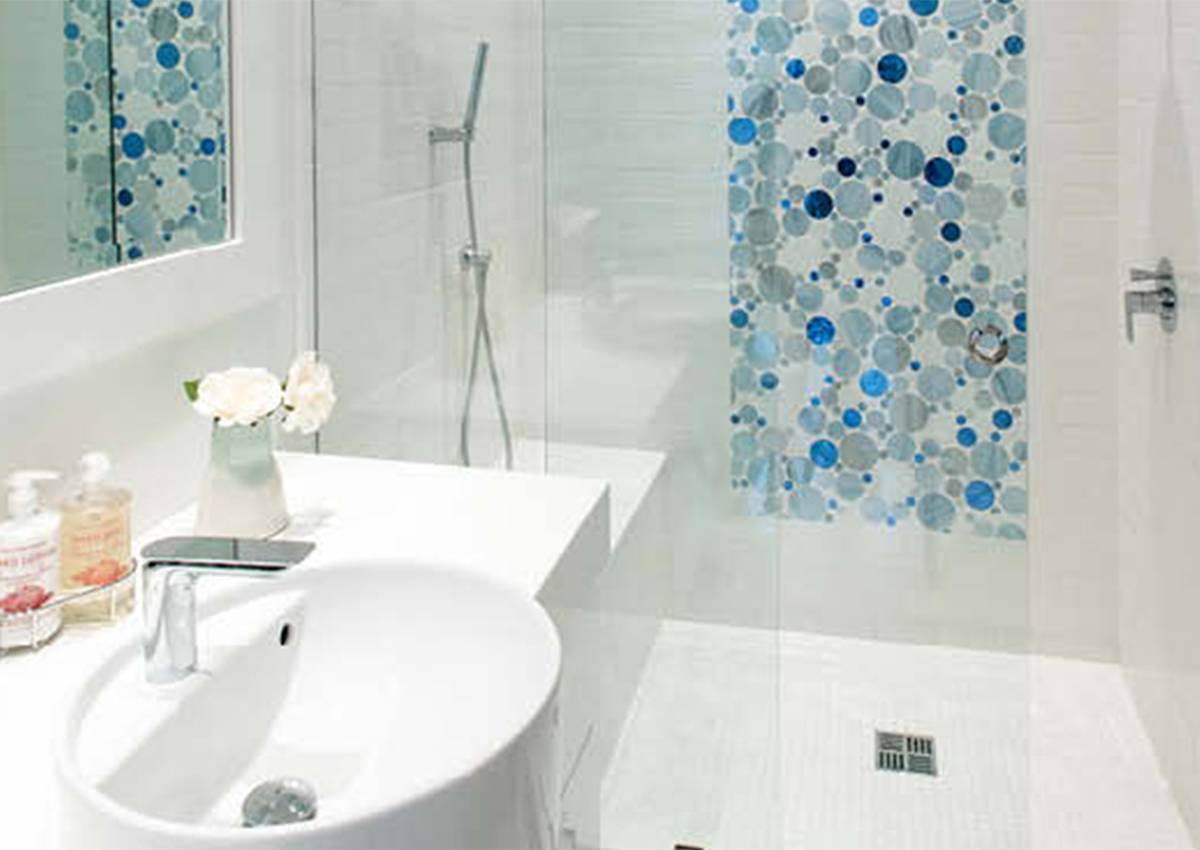
Amidst the demands of modern life, the bathroom has transcended its traditional role, becoming a haven of personal retreat. Transforming this space into a wellness-focused sanctuary doesn’t require complete renovation but rather thoughtful adjustments informed by spa-like simplicity and tranquility.
Begin by adopting a minimalist approach, emphasizing the idea that less is indeed more. Practical yet elegant storage solutions, such as built-in shelves or sleek cabinets, can create seamless, clutter-free spaces. Research in behavioral science indicates that decluttered environments can significantly reduce stress and promote a calm state of mind, making spatial simplicity a cornerstone of wellness bathroom design.
Lighting sets the mood, and in a wellness bathroom, it plays a pivotal role in enhancing relaxation. Seek to infuse natural light by maximizing windows or using frosted glass for privacy. If structural changes are unfeasible, choose soft, warm LED lights. According to studies by the Lighting Research Center, warm color temperatures are more conducive to relaxation compared to cooler, stark lighting, creating a tranquil atmosphere reminiscent of high-end spas.
Integrating nature through design is another effective way to forge a calming environment. This concept, known as biophilic design, suggests that human connection to nature can enhance well-being. Consider incorporating indoor plants that thrive in humid settings, such as peace lilies or ferns, which can also improve air quality. Pair these elements with natural materials like stone or wood. For instance, a teak shower bench not only adds functional seating but imbues a sense of natural elegance.
Textures bring another layer of sophistication and sensory experience to your wellness bathroom. Soft, plush towels, paired with woven baskets or bamboo mats, offer tactile comfort that complements the room’s aesthetic. Research conducted by the Journal of Consumer Research highlights how tactile sensations can influence mood and perception, underscoring the importance of touch in creating a restorative spa experience.
Soundscapes are often overlooked elements of relaxation but can significantly affect our sense of tranquility. A study published in the ‘Cognitive Processing Journal’ found that natural sounds, such as flowing water, can lower stress and cortisol levels. Implementing a small water fixture, like a tabletop fountain, can subtly introduce soothing auditory elements, enhancing the space’s serene vibe.
Aromatherapy further augments the spa-like ambiance with its profound impact on mood and mental clarity. Essential oils like lavender, eucalyptus, or chamomile can be used strategically through diffusers or DIY spritzers to infuse the air with calming scents. Harnessing aromatherapy’s benefits, as recognized by evidence compiled in the ‘International Journal of Neuroscience,’ can support your aim to craft a holistic wellness experience.
In crafting the spa experience at home, consider the color palette’s role in evoking serenity. Soft neutral shades, such as pale greens, subtle blues, or warm beiges, echo the tranquility of seaside retreats and forested venues. The psychology of color notes that such hues can reduce anxiety, fostering calmness and relaxation. Paint walls in these shades or select tiles that emulate these serene tones for an aesthetically pleasing result.
Lastly, seamlessly incorporate technology to enhance your bathing rituals. Modern bathrooms can include smart features like adjustable lighting and temperature controls, or even a sound system for a personalized musical experience. The integration of technology, focusing on intuitive and simple interfaces, is suggested in studies by the ‘Human-Computer Interaction Journal’, which affirm the value of user-friendly tech in creating pleasing and efficient personal environments.
Ultimately, transforming a bathroom into a spa-inspired retreat is not just about luxury but about enhancing the quality of life. Through strategic choices that blend practical design with sensory enrichment, you can fashion a space that nourishes the body and soul. Whether through the calming influence of nature or the simple elegance of thoughtful design, these elements collectively lend your bathroom the restorative qualities of a personal sanctuary.
Choosing Fixtures and Finishes for Relaxation
When curating a relaxing home retreat, choosing the right fixtures and finishes is paramount. These elements not only define the functionality and aesthetic of the space but also contribute significantly to the overall ambiance, turning a basic bathroom into a sanctuary of relaxation.
Begin with faucets and showerheads, which serve as both functional and visual cornerstones of your bathroom. Opt for fixtures that channel a spa-like aesthetic through their design and water flow options. For instance, rain showerheads mimic the gentle cascade of rainfall, enhancing the showering experience with a touch of nature. According to plumbing industry reports, rain showerheads are becoming increasingly popular for their ability to transform daily routines into serene rituals, promoting relaxation by replicating soothing natural sounds.
Consider the material and finish of these fixtures. Polished chrome may lend a modern, sleek appearance, while brushed nickel offers a softer, understated look that doesn’t show water spots and fingerprints as readily. For a more distinctive, tactile appeal, oil-rubbed bronze conveys warmth and timelessness. A study in ‘Environmental Design Research’ indicates that materials can influence mood; therefore, selecting finishes that resonate with your sense of calm and complement other elements in the room is important.
Bathtub design is another essential consideration in creating your personal haven. Freestanding tubs are an aesthetically pleasing choice that evokes a sense of luxury. Their sculptural shapes can profoundly affect the spatial perception of the bathroom, making it appear larger and more open. If space allows, opting for a soaking tub rather than a standard model can enhance the comfort level and make long, luxurious soaks part of your relaxation ritual. Research from the ‘Journal of Home Economics‘ illustrates how homeowners who invest in deep soaking tubs report enhanced relaxation and stress reduction, highlighting the importance of fixture selection in well-being.
Moreover, the choice of finishes extends to tiles, which play a crucial role in defining the room’s texture and tone. Glazed tiles reflect light softly, creating an airy atmosphere, whereas matte finishes provide subtle sophistication and a more relaxed visual touch. Porcelain tiles, known for their durability and moisture resistance, are practical yet allow for immense creativity with patterns and color options. Soft natural hues or earth-toned tiles evoke a sense of tranquility echoed in nature, reinforcing the calming ambiance.
To enhance safety without compromising aesthetics, incorporate slip-resistant flooring. According to the ‘Center for Injury Research and Policy,’ bathrooms are common sites for home injuries; hence, prioritizing safety in design is wise. Textured tiles or rubberized mat finishes offer safety alongside visual appeal, ensuring comfort and peace of mind as part of your relaxation routine.
Glass elements can also elevate the sense of space and light in a bathroom retreat. Frameless glass shower enclosures enhance visual openness and eliminate barriers, seamlessly integrating different sections of the bathroom. This transparency creates a continuous, fluid feel, contributing to the perception of a larger, uncluttered space. As outlined by experts in architectural glass design, such elements not only elevate sophistication but also support an environment conducive to relaxation and clarity.
Finally, consider finishes and fixtures to incorporate subtle technological enhancements. Thermostatic mixing valves in showers ensure consistent water temperature, preventing the sudden hot or cold changes that can disrupt relaxation. For those integrating technology, smart mirrors with built-in humidity control and lighting options align with the Collective Research on Intelligent Spaces’ findings, which emphasize the convenience and luxury smart features bring to personal retreats.
In summary, every fixture and finish chosen for your bathroom should align with your overarching vision of creating a relaxing home retreat. Through thoughtful selection, balancing aesthetic appeal, functionality, and empathetic design can transform any bathroom into a personal, tranquil oasis.
Designing with Water and Light for Wellness
In the tranquil pursuit of designing spaces that promote well-being, the interplay between water and light emerges as a powerful element of interior design. Harnessing these natural forces within the context of a bathroom sanctuary seamlessly integrates spa-like serenity into everyday life.
Central to this design philosophy is the incorporation of water as an aesthetic and functional element, fostering relaxation and rejuvenation. Water features captivate the senses while offering psychological benefits. A gentle cascade from a waterfall faucet or the rhythmic pulses of an adjustable showerhead can mimic the therapeutic sounds of natural springs. Research published by the ‘International Journal of Biometeorology’ underscores that exposure to water sounds correlates with reduced stress and improved mental clarity. Such auditory stimuli are harmoniously complemented by visual tranquility, profoundly transforming the bathroom into a wellness retreat.
Clear glass enclosures enhance this immersive water experience. By blurring the lines between shower and bathroom, these frameless structures introduce an unencumbered sense of openness, creating continuity that invites one to linger in the soothing presence of water. Additionally, strategically placed mirrors can reflect this liquidity, amplifying the room’s spatial perception and striking the perfect balance between practicality and artistic flair.
The strategic manipulation of natural and artificial light further elevates the bathroom’s ambiance, turning it into an oasis of calm. Natural light, with its inherent ability to uplift moods and increase wellness, should be prioritized. Frosted or obscure glass offers privacy while allowing sunlight to filter through delicate barriers, bathing the space in a soft, warm glow. For periods when natural light is scarce, mimicking its warm ambiance is achievable with dimmable LED fixtures. Lighting that adjusts in intensity and color temperature can align with circadian rhythms, promoting relaxation and preparing the body for restful sleep, as suggested by findings from the ‘Journal of Clinical Sleep Medicine’.
Ambient and task lighting function synergistically within this setting. Recessed ceiling lights provide a diffused luminescent backdrop, while focused lights around mirrors support grooming rituals without overpowering tranquility. The philosophy here mirrors the principles of ‘Layering Light,’ a practice affirmed by the Illuminating Engineering Society, which advocates for varied lighting levels to create depth and adaptability in design.
Moreover, backlighting strategically applied to select areas—such as behind mirrors or niche shelving—adds depth and intrigue, approaching artful elegance rather than utilitarian function. This method is particularly effective in smaller spaces, where the interplay of light and shadow can dramatically alter perceptions of volume and height.
The color spectrum emitted by these lighting solutions plays a critical role in setting a holistic tone. Warm, earthy hues highlight tactile surfaces and material finishes, creating an environment that feels connected to the natural world. This emphasis on warmer temperatures aligns with biophilic design principles, reinforcing the human intrinsic connection to nature. The inclusion of such invigorating elements can lower blood pressure and heart rates, thus ensuring a harmonious blend of sensory and aesthetic experiences.
Waterproof LED strips integrated discreetly for illuminated path markers or night lighting offer innovative paths to connect functionality with aesthetics, ensuring a safe yet visually appealing environment that prioritizes well-being. This approach emphasizes maintaining visual clarity within the space while subtly enhancing its sensory depth.
This intersection of water and light in design highlights their transformative capabilities, weaving them into the fabric of interior spaces to achieve a unique balance of tranquility and stimulation. When harmonized correctly, they nourish both the body and the spirit, underscoring an approach to design that cherishes serenity while embracing modern sensibilities. This dynamic duo shapes the environmental narrative of any wellness-focused interior, channeling artful design into daily rituals.
Next Steps
Creating a wellness-focused bathroom sanctuary invites you to redefine how daily rituals can seamlessly blend with relaxation and rejuvenation. By carefully curating elements like natural materials, innovative lighting, and thoughtful fixture selections, you can transform your bathroom into a serene retreat that elevates your quality of life. Consider integrating subtle technology to enhance convenience or incorporating natural elements that soothe the senses, each choice reflecting a commitment to personal well-being.
Your journey towards crafting a space that truly embodies tranquility can begin with expert guidance from Hughes Design Associates. Our team is ready to explore your vision and bring a tailored approach to your interior design aspirations. We invite you to reach out for a consultation, allowing us to help you turn your vision into a reality that aligns perfectly with your lifestyle and aspirations. Discover how we can transform your environment into a personalized oasis of luxury and comfort.